Skip to content
Tea ceremony
Spring Edition

Chinese Tea

A quiet return, in a cup.

Jiaojiaotea · A space of leaf and wood

A seasonal, mindful guide to brewing, tasting, and slowing down through the tea ceremony.

“The first sip is joy, the second is gladness, the third is serenity.”
01 · Introduction

A Gentle Door into Four Thousand Years of Tea

A quiet invitation to slow down and taste presence.

In China, tea has been drunk for over four thousand years — not simply as a beverage, but as a practice, a philosophy, and a way of reading the world. Emperors kept tea masters at court. Poets wrote odes to the shape of steam. Farmers learned to listen to the mountain before they picked.

In a fast-moving world, tea asks us to slow down. Not because slowness is fashionable, but because certain things — flavour, fragrance, the particular quality of silence in a room — only reveal themselves when we are still enough to notice them.

Tea ceremony
02 · The Six Families of Tea

Each leaf carries a world.

Green tea

Green Tea 绿茶

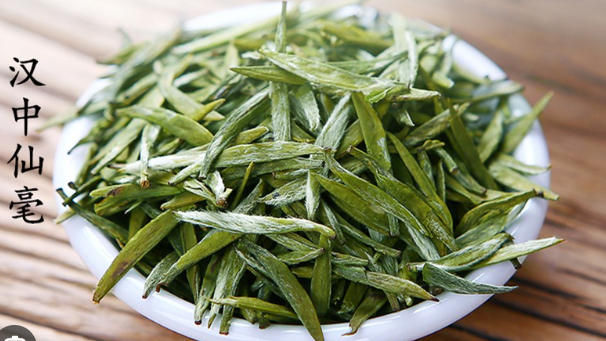
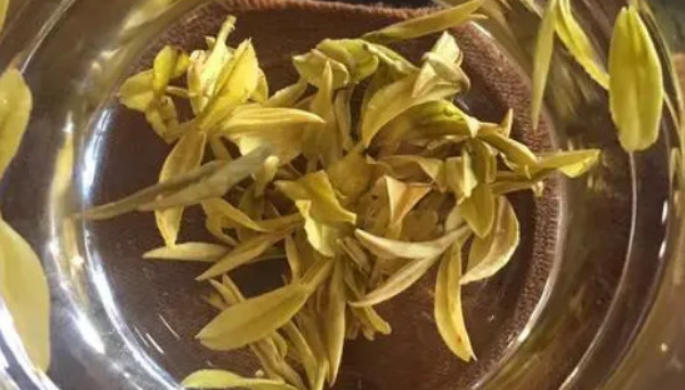
Unoxidized, steamed or pan-fired immediately after picking. Green tea preserves the leaf’s natural freshness — it tastes of spring: vegetal, bright, occasionally sweet. Famous examples include Dragon Well (Longjing), Bi Luo Chun, and Mao Feng. Best brewed with cooler water (75–80°C) to protect delicate compounds.

White tea

White Tea 白茶

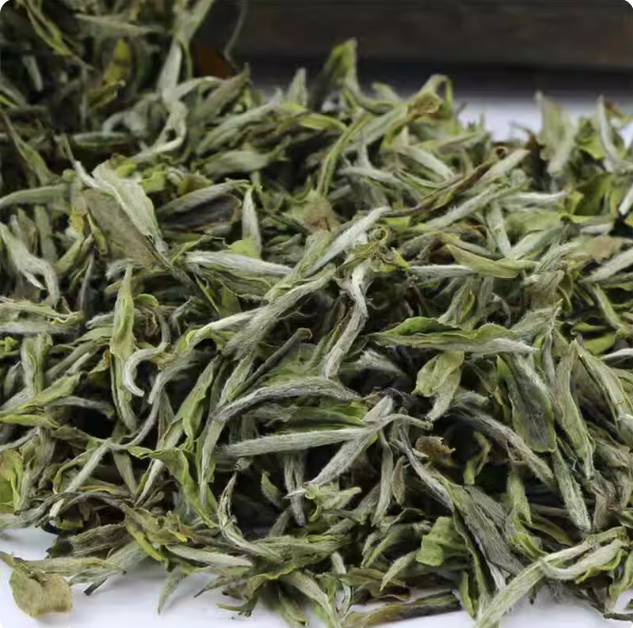
Minimally processed — simply withered and dried. White tea is closest to the raw leaf, with delicate floral and honeyed notes, sometimes melon-like. Silver Needle (Bai Hao Yinzhen) and White Peony (Bai Mudan) are classic examples. White tea can age beautifully, gaining complexity over years.

Oolong tea

Oolong Tea 乌龙茶

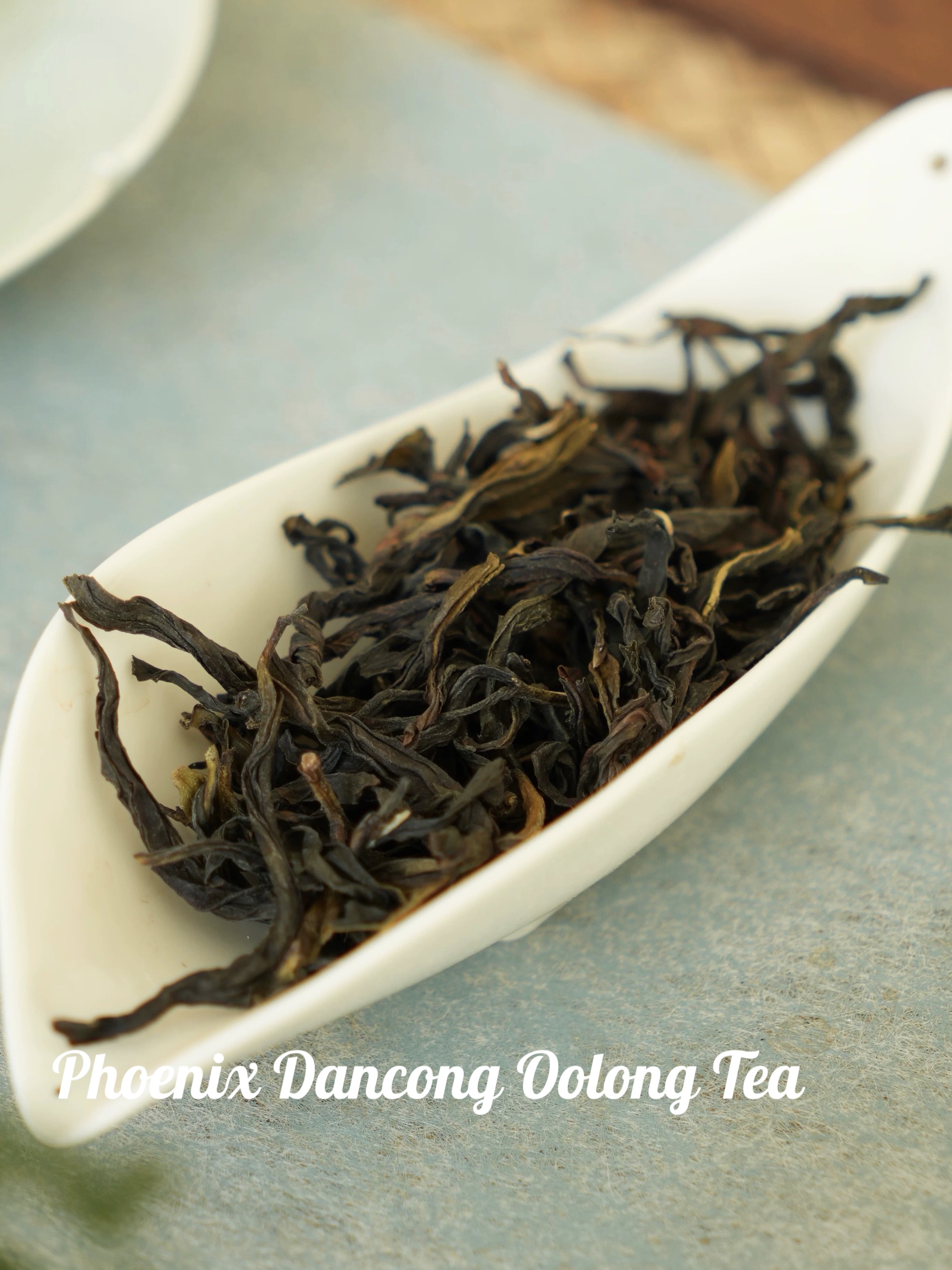
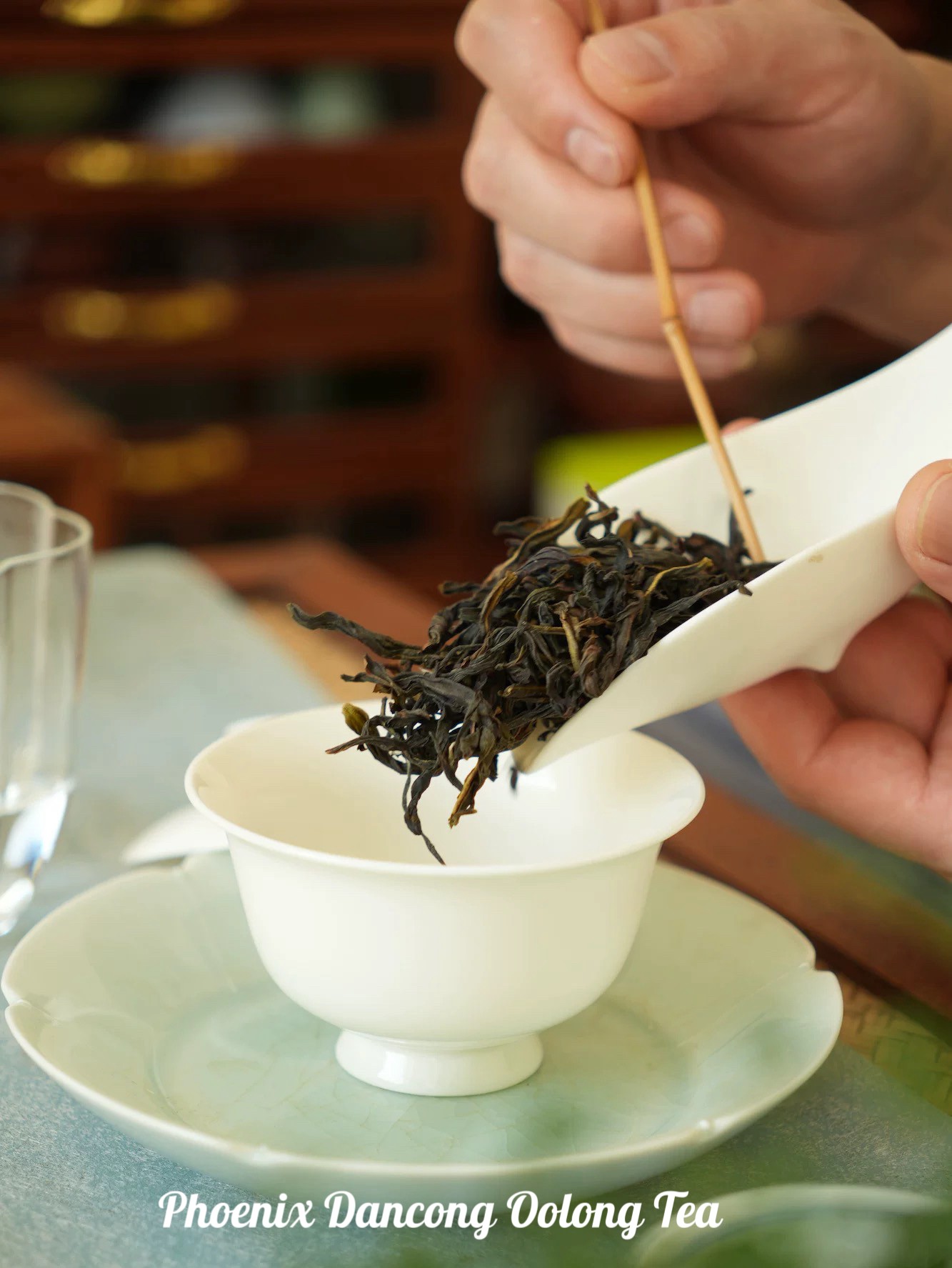
Partially oxidized, anywhere from 15% to 85%, making it the most diverse family. Light oolongs (Tie Guan Yin, Ali Shan) are floral and creamy; darker oolongs (Da Hong Pao, Phoenix Dancong) are roasted and layered. Oolong reveals itself across multiple infusions.

Black tea

Black Tea 红茶

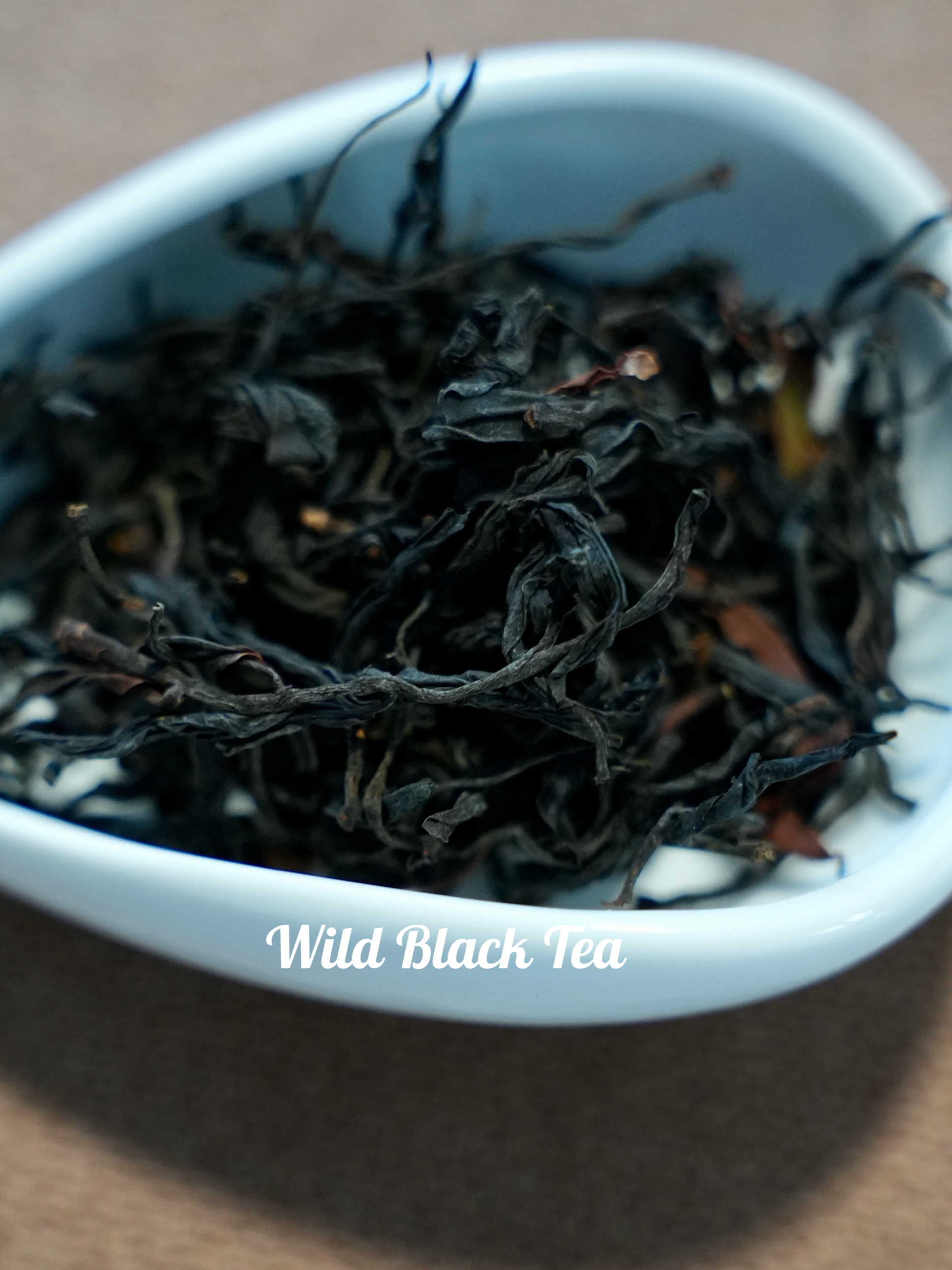
Fully oxidized, yielding amber liquor and warming depth. Chinese “red tea” is named for the color of the brew. Keemun, Dian Hong, and Lapsang Souchong are famous examples. Black tea can be enjoyed with milk or alone.

Pu-erh tea

Dark Tea (Pu-erh) 普洱茶

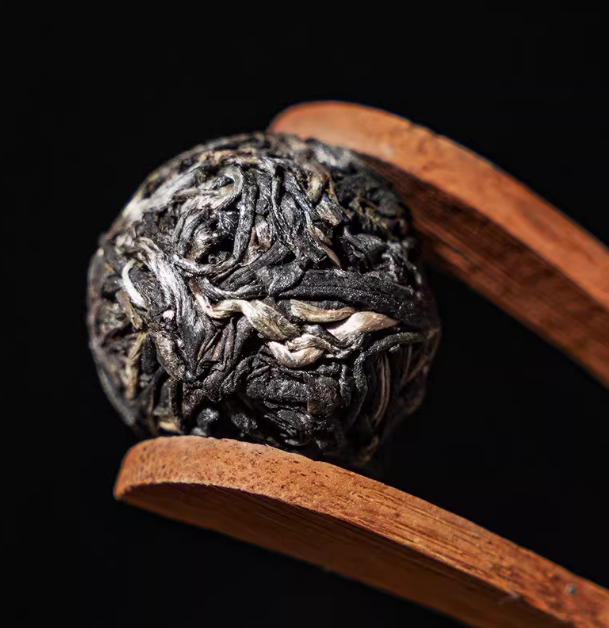
Fermented and aged — sometimes for decades. Pu-erh improves with age like wine or cheese. Raw (sheng) Pu-erh is fresh and slightly astringent; ripe (shou) is earthy and grounding. Aged cakes can carry mountain memory across years.

Yellow tea

Yellow Tea 黄茶

The rarest family. Yellow tea undergoes a unique “smothering” step, giving a mellow, less grassy character than green tea — smooth and slightly sweet. Jun Shan Yin Zhen is legendary. Authentic yellow tea outside China remains rare.

03 · Today’s Three Teas

You experienced three expressions of Chinese tea.

1 · Green Tea

What you tasted: A clean, vegetal brightness — like rain on fresh leaves, with a gentle sweet finish.

Why it tastes this way: Green tea is unoxidized. Leaves are heated soon after picking, so the cup keeps mountain freshness and lively green notes.

A moment to remember: Sip slowly; notice how the second cup shifts from the first.
2 · Oolong Tea

What you tasted: A more layered cup, with floral and fruit tones that unfold as the liquor cools.

Why it tastes this way: Oolong is partially oxidized. The degree of oxidation shapes its complexity, balancing freshness and depth.

A moment to remember: Oolong is for long, unhurried tasting — each steep reveals new detail.

3 · Black Tea

What you tasted: Warm amber richness with malty sweetness and a comforting finish.

Why it tastes this way: Fully oxidized leaves develop deeper, rounder flavors that carry warmth and body.

A moment to remember: Black tea grounds you; drink it when you need steadiness and presence.

04 · How to Brew at Home

Simple Steps, deep presence

What You Need

  • Small teapot, gaiwan, or mug with lid.
  • Good water (filtered or spring).
  • 2–3g loose leaf (about one teaspoon).
  • Timer (optional).

Brew Guide

Tea TypeTempTimeRe-steeps
Green75–80°C20–40s3–5
White80–85°C30–60s4–6
Oolong90–95°C20–40s5–8
Black95–100°C30–45s2–4
Pu-erh95–100°C10–30s8–15
Yellow75–80°C30–45s3–5
Brew guide
05 · The Gongfu Way

A different relationship with time

In Chinese, “gongfu” (功夫) means skill developed through devoted practice and time. Gongfu cha — literally “the skilled way of tea” — is not a ceremony reserved for temples. It is simply a more attentive way of brewing, using a small vessel, more leaf, and very short steepings.

The principle is this: instead of one long steep that extracts everything at once, you make many short steeps — each one revealing a different layer of the leaf. The first steep is bright and clear. The third, fuller and deeper. By the fifth, something quieter and more intimate begins to emerge.

A Simple Gongfu Sequence

  1. Warm your vessel — Pour hot water in and out of your teapot or gaiwan. This stabilizes the temperature and wakes the clay.
  2. Add the leaf — Use more leaf than you think: 5–8 grams for a small 100–150ml gaiwan. The leaf should fill about one third of the vessel.
  3. The rinse steep — Pour hot water over the leaf and pour it off immediately (5–10 seconds). This “opens” the leaf and removes any dust. Do not drink this steep.
  4. First steep — 20 seconds — Pour again. Wait. Pour into a sharing pitcher (fairness cup) to stop the extraction, then serve. Notice the colour of the liquor.
  5. Continue steeping — Add a few seconds with each subsequent steep. The leaf will give willingly for 5–10 rounds — each one a small world of its own.
  6. When it is finished — The leaf will become pale and flavorless. Unfurl it gently and look at it: the whole, original leaf, restored. It has given everything.
06 · Tea & Daily Life

Tea is not a task. It is a way of being.

Morning

A cup of green tea to arrive gently. Warmth tells you the day can begin.

Afternoon

Set down what you're carrying. Oolong invites you to linger and breathe.

Evening

White tea or light oolong for calm softness before bed.

Even one quiet cup can shift the entire day.

07 · Tea & the Body

Tea & the Body

What happens when you drink a cup of tea — from leaf to cell.

Chinese tea contains hundreds of naturally occurring compounds. The interplay between them is part of what makes tea so different from other caffeinated drinks — and part of why people have been turning to it for health for millennia.

L-Theanine

A rare amino acid found almost exclusively in tea. L-Theanine promotes a state of calm alertness — relaxed focus without drowsiness. Combined with caffeine, it smooths the stimulant effect: no spike, no crash, just a clean and steady clarity. This is why tea-drinkers often describe feeling "alert but calm" — a quality coffee alone cannot replicate.

Catechins & Antioxidants

Green tea in particular is rich in catechins (especially EGCG), among the most potent antioxidants found in food. These compounds help neutralize free radicals in the body. Traditional Chinese medicine recognized tea's protective properties long before modern science named the compounds.

Caffeine

Tea contains less caffeine than coffee — typically 30–60mg per cup versus 80–120mg. Importantly, tea caffeine is released slowly alongside L-Theanine, creating a gentler arc. The type and age of leaf, steeping time, and water temperature all affect caffeine levels significantly.

Minerals & Warmth

The ritual of warm liquid is itself medicinal. Warmth improves circulation, supports digestion, and signals the nervous system to relax. Many of tea's benefits may be inseparable from the act of pausing to prepare and drink it.

08 · Continue Your Journey

A Space for You

At jiaojiaotea, tea is shared as an experience of presence.

We are not a tea shop selling a product. We are a tea space offering an experience — of slowness, of beauty, of the kind of quiet that is hard to find in a city. Every gathering is a chance to put down what you are carrying and simply be with the leaf, with each other, with yourself.

Seasonal Tea Gatherings

Small, intimate events throughout the year — each one shaped by the season, the tea, and the people in the room.

Tea Ceremony & Culture Workshops

Learn the history, ritual, and philosophy of Chinese tea in a hands-on setting. No experience required — only curiosity.

Tea & Teaware, Carefully Chosen

A small collection of teas and teaware, selected for quality and beauty. Everything we carry, we drink ourselves.

A Community of Tea Lovers

Join an email list of people who share a love of slow, beautiful things. Receive seasonal guides, gathering invitations, and tea stories.

Visit us, browse our teas, or join the list

Visit jiaojiaotea